
Organizar um festival de música, um evento esportivo ou uma exposição industrial de grande escala envolve investimentos financeiros massivos e desafios logísticos complexos. Ao elaborar seus orçamentos, os organizadores costumam focar no aluguel de espaços, na programação dos artistas ou nas campanhas de marketing, frequentemente ignorando uma enorme brecha oculta logo na entrada: os tradicionais ingressos de papel.
À primeira vista, o custo unitário de impressão de um lote de ingressos em papel parece incrivelmente baixo, mas isso é apenas a ponta do iceberg. Desde a experiência negativa dos participantes causada por filas intermináveis, até as perdas diretas de receita provocadas pela falsificação desenfreada e o caos operacional das transações em dinheiro no local, os sistemas tradicionais de emissão de ingressos estão corroendo silenciosamente as margens de lucro do seu evento. Com a onipresença da tecnologia da Internet das Coisas (IoT), um número crescente de eventos e festivais de grande porte abandonou completamente os ingressos em papel, optando por dispositivos vestíveis mais inteligentes. No cerne dessa revolução tecnológica, um RFI Pulseira D Está redefinindo a lógica operacional dos eventos. Funciona não apenas como um simples passe de entrada, mas como uma superferramenta abrangente capaz de reduzir custos ocultos e até mesmo criar fluxos de receita totalmente novos.
Para calcular o custo real de um evento, precisamos abandonar a mentalidade de que "um ingresso é apenas um pedaço de papel" e analisar a fundo onde a tecnologia RFID pode estancar as perdas financeiras e gerar lucratividade substancial.
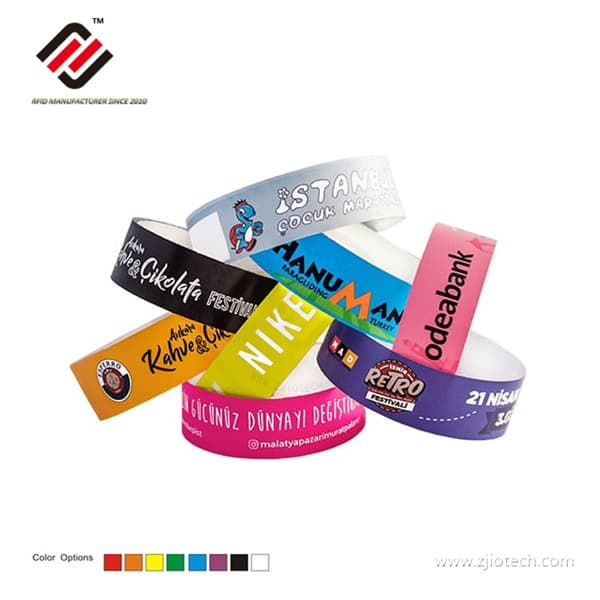
Antes de explorarmos as vantagens distintas das pulseiras inteligentes, precisamos fazer as contas: quanto dinheiro os bilhetes de papel estão realmente desperdiçando?
Em primeiro lugar, destaca-se o enorme consumo de recursos humanos e tempo. Nos portões de entrada tradicionais, os funcionários precisam verificar visualmente a autenticidade de cada ingresso, destacar canhotos manualmente ou usar dispositivos portáteis para escanear códigos de barras um a um. Esse método operacional pouco eficiente inevitavelmente leva a grandes congestionamentos nos horários de pico. Para aliviar a imensa pressão dessas filas, os organizadores são obrigados a contratar um grande número de funcionários temporários para conferir ingressos e seguranças, apenas para manter a ordem básica. Essa enorme despesa com mão de obra muitas vezes supera em muito o custo inicial da impressão dos próprios ingressos.
Em segundo lugar, há o prejuízo financeiro direto causado por ingressos falsificados e cambistas. A tecnologia moderna de impressão comercial é tão avançada que falsificar um ingresso de papel realista — mesmo um com marcas de segurança holográficas — é totalmente viável para grupos organizados de falsificação. Cada vez que um ingresso falso passa pelos portões, significa não apenas uma perda direta de receita para o organizador, mas também um potencial de superlotação no local. Isso acarreta sérios riscos à segurança e expõe o evento a significativas responsabilidades legais.
Além disso, os ingressos de papel são extremamente frágeis e fáceis de perder. Se um participante deixar cair o ingresso acidentalmente ou se ele for molhado por uma chuva repentina antes de entrar, a central de atendimento ao cliente precisa investir tempo e recursos humanos consideráveis para verificar os registros de compra originais e emitir novas credenciais manualmente. Isso aumenta drasticamente a carga operacional e deixa os participantes com uma experiência profundamente frustrante antes mesmo do evento começar oficialmente.
A reação imediata de muitos organizadores à perspectiva da tecnologia RFID é que o próprio hardware é simplesmente muito caro. Equipar dezenas de milhares de participantes, que podem estar presentes em um evento de apenas um ou dois dias, com pulseiras eletrônicas premium de silicone ou tecido realmente representa um impacto significativo no orçamento. No entanto, a integração perfeita da engenharia de materiais moderna e da tecnologia avançada de chips superou completamente essa percepção de custo.
Hoje em dia, opções como uma Pulseira descartável de papel Tyvek com NFC Os ingressos em formato de U, que combinam de forma engenhosa as propriedades de leveza, impermeabilidade e alta resistência a rasgos do DuPont Tyvek com tecnologia inteligente, surgiram como a alternativa ideal para eventos de curta duração e grande fluxo de pessoas. Este material específico não só apresenta custos de aquisição altamente competitivos — quase equivalentes aos ingressos de papel premium — como também incorpora perfeitamente chips NFC/RFID de alta sensibilidade em suas camadas.
Ao adotar essas pulseiras inteligentes descartáveis, a eficiência de entrada dá um salto qualitativo. Os participantes simplesmente aproximam seus pulsos das catracas inteligentes para concluir a verificação instantânea de identidade em meros milissegundos. Essa experiência de "entrada sem atrito" elimina diretamente as filas extensas e frustrantes nos portões. Dados do setor indicam que a velocidade de processamento dos sistemas de entrada RFID é consistentemente mais de três vezes mais rápida do que a leitura tradicional de código de barras. Essa incrível eficiência significa que os organizadores podem reduzir drasticamente o número de funcionários alocados na entrada, realocando estrategicamente esses valiosos recursos humanos para serviços VIP, orientação no local e outras áreas críticas que melhoram tangivelmente a satisfação dos participantes. Simultaneamente, como cada chip integrado possui um UID globalmente exclusivo e passa por criptografia avançada, os falsificadores não conseguem duplicá-los, cortando o prejuízo financeiro com ingressos falsos diretamente na origem.
A maior surpresa orçamentária trazida pelas pulseiras inteligentes reside não apenas em sua capacidade de "economizar dinheiro", mas em sua profunda capacidade de "gerar dinheiro". Quando a pulseira presa ao braço de um participante se torna um supernó que o conecta com segurança ao mundo digital, ela possui o poder transformador de remodelar completamente o modelo de consumo no local do evento.
Considere os cenários típicos de compra de alimentos, bebidas e produtos em eventos tradicionais: filas intermináveis, pedidos demorados, busca por carteiras nas bolsas, cálculo de troco e espera por recibos impressos. Esse processo incrivelmente trabalhoso afasta muitos participantes que inicialmente tinham a forte intenção de comprar. As pulseiras RFID resolvem esse problema de forma elegante, vinculando o ingresso diretamente à carteira digital ou ao cartão de crédito do usuário. Os participantes simplesmente levantam o pulso e tocam o sensor do comerciante, concluindo o pagamento com segurança em um único segundo. Essa experiência de consumo totalmente "sem atrito" cria um efeito psicológico fascinante: quando as pessoas não precisam manusear dinheiro físico ou digitar senhas com frequência, sua disposição para gastar aumenta drasticamente. Dados financeiros coletados de diversos festivais de música de grande porte mostram que, após a adoção de sistemas de pagamento sem dinheiro por RFID, o gasto médio per capita no local geralmente aumenta em impressionantes 20% a 30%. Além disso, um ecossistema de transações totalmente digital elimina completamente os riscos generalizados de funcionários darem troco incorreto, gavetas de dinheiro extraviadas ou até mesmo furtos internos, garantindo que cada centavo gasto entre na conta bancária do organizador de forma precisa e rápida.
Além de agilizar os pagamentos, as pulseiras funcionam como ferramentas incrivelmente poderosas de interação social. Ao posicionar estrategicamente diversos pontos de captura de fotos ou zonas interativas de ativação de marca dentro do local do evento, os participantes podem simplesmente encostar suas pulseiras em dispositivos com sensores para fazer check-in automaticamente e compartilhar seus melhores momentos diretamente em suas redes sociais. Esse compartilhamento espontâneo e orgânico, acionado sem esforço pela tecnologia NFC/RFID, proporciona uma exposição online massiva, autêntica e totalmente gratuita para o evento. Esse ciclo de marketing viral economiza consideravelmente os orçamentos de publicidade dos organizadores do evento na hora de divulgar a próxima edição do festival.
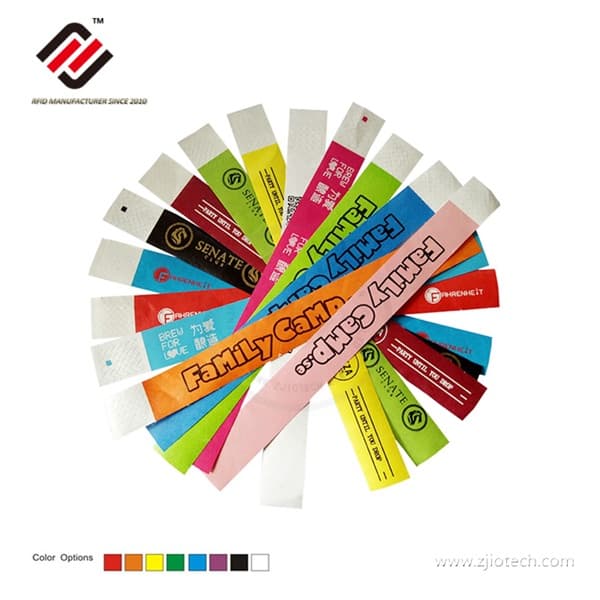
Além dos poderosos chips internos ocultos, as pulseiras inteligentes também oferecem dimensões de personalização muito mais ricas em sua apresentação visual externa e medidas físicas antifalsificação, em comparação com os ingressos de papel tradicionais. A sofisticada sobreposição de múltiplas técnicas de impressão não só reforça a segurança estrutural, como também aumenta consideravelmente a visibilidade da marca dos patrocinadores. Uma pulseira de alta especificação pode alcançar, sem esforço, uma união perfeita entre funcionalidade prática e estética impressionante, combinando diferentes tratamentos de superfície.
Na apresentação de informações básicas e elementos visuais da marca, a impressão de texto e logotipo de alta precisão, combinada com a tecnologia de cores especiais Pantone ou CMYK, permite que os organizadores reproduzam de forma vibrante e precisa as cores temáticas específicas do evento, juntamente com as identidades das marcas dos patrocinadores. Designs com padrões marcantes e coloridos podem transformar instantaneamente um simples crachá de acesso em um item de moda cobiçado. Para obter o melhor efeito visual possível, o design da pulseira é geralmente cuidadosamente planejado: a área mais visível da pulseira, que permanece visível quando usada no pulso, é dedicada à exibição dos textos e gráficos mais importantes, enquanto a área que se sobrepõe e se estende para o outro lado pode ser deixada em branco ou utilizada para elementos de design secundários e sutis.
Em termos de dupla camada de segurança contra falsificação e rastreamento de dados operacionais, embora o chip embutido seja altamente seguro, os dados visíveis no nível físico continuam sendo um recurso de segurança indispensável. Ao imprimir códigos QR ou códigos de barras lineares diretamente na pulseira, ela pode servir como credencial de segurança de reserva em situações extremas e imprevistas, como quedas de energia ou de rede generalizadas e inesperadas no local do evento. Além disso, números de série independentes e totalmente exclusivos, ou números impressos por pulverização, facilitam verificações visuais rápidas e a verificação de dados no sistema por parte da equipe de segurança. Para determinados ingressos premium ou VIP, também podem ser introduzidos processos de serigrafia de alta qualidade, tornando os padrões complexos na superfície da pulseira mais tridimensionais, visualmente impactantes e altamente resistentes a arranhões e desbotamento.
Além da estética e das técnicas avançadas de impressão, o design estrutural da pulseira em si leva a segurança contra falsificação ao extremo. Para garantir o uso único e genuíno, essas pulseiras possuem linhas de corte perfeitas e de alta precisão, projetadas diretamente na área adesiva, combinadas exclusivamente com a cola inviolável mais resistente do mercado. Esse design meticuloso significa que, uma vez que o participante fixe a pulseira no pulso, qualquer tentativa de arrancá-la à força, removê-la intacta ou transferi-la para outra pessoa fará com que as linhas de corte na área adesiva se rompam de forma irreversível e completa. Essa característica de máxima segurança física, em conjunto com a criptografia do chip digital interno, destrói completamente o modelo de operação dos cambistas que historicamente lucravam com a reciclagem e revenda de ingressos usados fora dos portões do local do evento.
Quando um evento tradicional termina, os ingressos de papel são recolhidos e descartados como lixo, e sua breve conexão com os participantes é permanentemente rompida. No entanto, o imenso valor gerado pelas pulseiras inteligentes continua a reverberar muito depois que os palcos são desmontados. Através da vasta matriz de dados de interação deixada pelas pulseiras em vários pontos de leitura espalhados pelo local, os organizadores podem obter um "mapa de calor" incrivelmente detalhado e acionável do comportamento dos participantes: Quais apresentações específicas atraíram as maiores multidões? Quais períodos exatos constituíram o pico de consumo de alimentos e bebidas? Exatamente quantos minutos os participantes permaneceram no estande de ativação do patrocinador principal? Esses dados precisos, granulares e de primeira mão atuam como a arma mais poderosa para otimizar o fluxo de pessoas em eventos futuros e elevar significativamente o preço cobrado por futuros pacotes de patrocínio.
De forma ainda mais inteligente, a própria pulseira funciona como uma ferramenta de gestão visual no local, sem igual. Ao utilizar classificações de cores altamente personalizadas, como por exemplo, atribuir cores diferentes a cada categoria de participantes, cada uma com um tipo específico de cor. Pulseira RFID Tyvek colorida A equipe de campo e os seguranças podem identificar instantaneamente o público da área comum, convidados VIP, equipe de bastidores ou menores de idade a uma distância considerável, com base apenas nas cores vibrantes em seus pulsos. Por exemplo, cores específicas ou marcadores impressos em destaque podem identificar instantaneamente aqueles que têm "MAIS DE 21 ANOS", simplificando drasticamente o gerenciamento da venda de bebidas alcoólicas e o cumprimento das normas. Essa robusta autenticação dupla — que combina códigos de cores físicas marcantes com chips digitais criptografados — torna o gerenciamento de fluxos de tráfego complexos no local e o controle de acesso excepcionalmente claros, rápidos e diretos.
Desde o gargalo inicial nos portões de entrada, passando pela correria do consumo no local e pela viralização nas redes sociais durante o evento, até a valiosa coleta de dados pós-evento, cada "bip" de uma pulseira inteligente corrige silenciosamente as enormes perdas financeiras historicamente causadas pelos ingressos de papel. Medir o verdadeiro retorno sobre o investimento de uma nova tecnologia nunca deve se basear apenas no preço de aquisição inicial de um único item. Quando as filas intermináveis são efetivamente eliminadas, os ingressos fraudulentos são completamente erradicados, o gasto dos participantes no local é drasticamente estimulado e os patrocinadores recebem exposição móvel dinâmica e contínua, libertar-se das limitações arcaicas dos ingressos de papel tradicionais torna-se a escolha inegável e inevitável para qualquer organizador de eventos moderno que busca otimizar o orçamento e aprimorar radicalmente a experiência do evento.
No. 225 , 2F , Hombo innovation Technology Industrial park ,Qingning Rd .Longhua district ,
O email : info@zjiotech.com
Lisa principal : jimmy@zjiotech.com
(24 horas de atendimento ao cliente)
Telefone : +86(0)755 21013852


 português